Four Common User Testing Mistakes

• 5 min read

430 Shares

To the outsider, the idea of user testing might seem like a simple process that requires little preparation. Give the product to the user; let them play with it, push its buttons, and try to break it. If it doesn’t break, great! It’s ready to go to market. While this might be quite revealing and fun to watch, user testing requires much more planning and preparation.
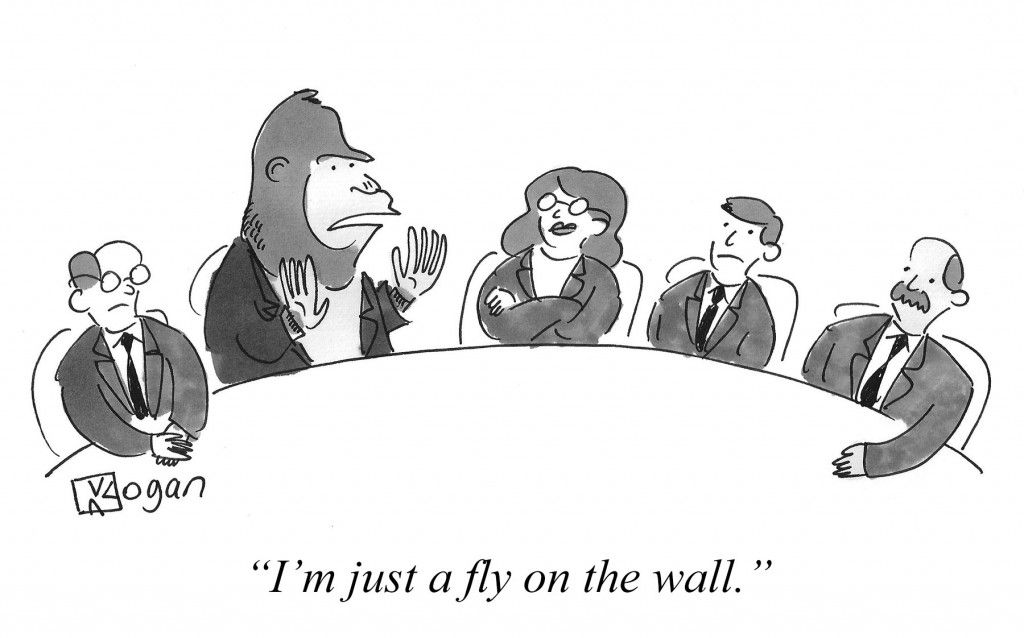


Author/Copyright holder: Grigoriy Kogan. Copyright terms and licence: All rights reserved Img source


It is a common misconception to think that it is sufficient to throw your product to the lions (users) and just pick up the pieces afterwards to see what works and what doesn’t. There are also a number of common mistakes made during the process itself.

Tasks lacking structure – Throughout the user testing session, each participant must carry out a series of tasks to replicate how the product would be used by users in the real-world. Alternately, the tasks may be specifically selected so the design team can determine the success rate for a certain action or group of actions. In order to gain robust findings that are representative of the task itself, as opposed to any other factor(s), it is essential that the tasks are structured. By structured we mean that each task must be prepared for the user and they must be provided a clear statement of what they are trying to achieve. You must let the user know what the aim is, but this does not mean they should be told how to do the task.

Using leading questions – Questions should never lead the user to a specific response; they must be open and impartial. This means you should not ask test users things like ‘did you like X feature?’, and ‘Would you describe this product as exciting?’. Loaded questions are equally damaging to the usefulness of findings, so asking participants things like ‘Did you fail the task because it was too hard?’, and ‘Do you usually have problems with online payment procedures?’ is a definite no-no.



Author/Copyright holder: Tsahi Levent-Levi. Copyright terms and licence: CC BY 2.0

Intervening – The user should not be lead through the tasks; they should be left to make their way through the tasks with the minimum involvement from the testers as possible. Intervention isn’t necessarily specific to directing the test users; stopping them, speaking to them in the middle of a task, telling them specific aspects of the task before they have begun, and any other disruption can have a detrimental effect on the results.
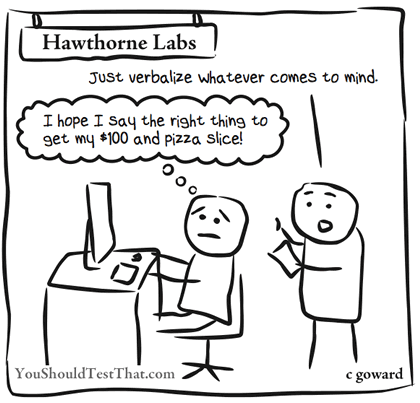

Author/Copyright holder: c.goward. Copyright terms and licence: All rights reserved. Img source


Talking rather than observing – The main activity for testers in user testing sessions is observation. Findings are dependent on how the user goes about their tasks by themselves, and not with distractions, directions, or instructions from somebody else. Talking will affect the test user. The sessions are not interviews, so there is no need for constant questioning. Cover the questions at the beginning before each task starts, and try not to talk to the user. However, if you can gain further insight by asking why they used a certain approach or probing the user in other ways this can provide the designers with useful qualitative data.

 Header Image: Author/Copyright holder: Usability Geek. Copyright terms and licence: All rights reserved. Img

Learn More in This Course:

AI for Designers

5 days
52 % booked
View Course

What You Should Read Next

  • Read full article
    What is the UX Design Process?  5 Steps to Success - Article hero image
    Interaction Design Foundation logo

    What is the UX Design Process? 5 Steps to Success

    UX designers design every interface to be as intuitive and easy to use as possible, and to do this, and they rely on “design thinking,” a step-by-step guide to the UX design process. Let's explore the UX design process and look at common tasks in each UX design phase and which roles are responsible

    Social shares
    945
    Published
    Read Article
  • Read full article
    What Does a Creative Designer Do? - Article hero image
    Interaction Design Foundation logo

    What Does a Creative Designer Do?

    Creativity is a massive appeal factor for designers (and those who enjoy what we do!) as they bring to bear their creative talents and skill sets on projects and dazzle users, customers, and the brand themselves who launch their design solutions. With that said, though—and for all the digital produc

    Social shares
    746
    Published
    Read Article
  • Read full article
    Your Guide to Hamburger Menus - Article hero image
    Interaction Design Foundation logo

    Your Guide to Hamburger Menus

    The hamburger menu—with its three horizontal lines—simplifies website navigation. Not every interface benefits from its use, but it can help in certain scenarios. That’s why it’s vital to understand when it shines and when alternatives might serve users better. So, learn the pros and cons of using t

    Social shares
    848
    Published
    Read Article
  • Read full article
    Ideation Method: Three-way Comparisons - Article hero image
    Interaction Design Foundation logo

    Ideation Method: Three-way Comparisons

    [[video:94]] Externalization of uncovered tacit knowledge is important, but how do you make that valuable tacit knowledge explicit in a way so you can use it more effectively? Often, this is easier when we’re forced to compare things as we may be able to articulate the difference between things e

    Social shares
    416
    Published
    Read Article
  • Read full article
    Use Circular Design To Reverse Harm - Article hero image
    Interaction Design Foundation logo

    Use Circular Design To Reverse Harm

    Nature is circular. Nothing ever goes to waste. The banana peel we discard degrades into nutritious compost for plants. Even the remains of deceased animals and humans disintegrate into the soil. Human engineering and design, on the other hand, are linear processes. And that has put us on a one-way

    Social shares
    428
    Published
    Read Article
  • Read full article
    Recycling is Not Enough. Let's Design for Reuse - Article hero image
    Interaction Design Foundation logo

    Recycling is Not Enough. Let's Design for Reuse

    “We live in the age of technology and luxury, but we also live in the age of waste,” Don Norman explains. In this video, the grandfather of User Experience Design, Don Norman unpacks the world of waste we have collectively generated. He examines aspects of our daily lives that we take for granted an

    Social shares
    461
    Published
    Read Article
  • Read full article
    Tree Testing: A Complete Guide - Article hero image
    Interaction Design Foundation logo

    Tree Testing: A Complete Guide

    Tree Testing reveals where users lose their way in your navigation. It’s a focused approach to evaluate a site's navigational structure. But it’s more useful in certain scenarios—so, you need to understand where you’ll benefit from tree testing the most. Learn about the pros and cons of testing tool

    Social shares
    688
    Published
    Read Article
  • Read full article
    How to Design Ethically: Expert Advice from Guthrie Weinschenk - Article hero image
    Interaction Design Foundation logo

    How to Design Ethically: Expert Advice from Guthrie Weinschenk

    As UX designers, we wield immense power to influence our users’ lives. We have the dual responsibility of catering to the interests of our users, as well as that of our sponsors (employers, clients and other business stakeholders). This can sometimes put designers in uncomfortable situations and rai

    Social shares
    547
    Published
    Read Article
  • Read full article
    Anything Artificial We Can Design Better - Article hero image
    Interaction Design Foundation logo

    Anything Artificial We Can Design Better

    If you look out the window, you’ll realize many things you see are artificial—buildings, cars, parks, electricity posts, water pipes, etc.—and most of those things were designed by humans. Founding father of UX, Don Norman introduces you to artificiality and how designers shape the world.[[video:142

    Social shares
    413
    Published
    Read Article
  • Read full article
    Stop the Generic Portfolio Trap! Design a Stand-Out Portfolio for Your UX/UI Niche - Article hero image
    Interaction Design Foundation logo

    Stop the Generic Portfolio Trap! Design a Stand-Out Portfolio for Your UX/UI Niche

    Your UX/UI portfolio is your ticket to your dream job, brief or client. It’s your opportunity to show off your expertise, creativity, and the tangible impact of your work. No matter your niche, your portfolio should be as innovative and polished as the projects it represents.Think of your portfolio

    Social shares
    298
    Published
    Read Article

Top Articles

Top Topic Definitions

Feel Stuck?
Want Better Job Options?

AI is replacing jobs everywhere, yet design jobs are booming with a projected 45% job growth. With design skills, you can create products and services people love. More love means more impact and greater salary potential.

At IxDF, we help you from your first course to your next job, all in one place.

See How Design Skills Turn Into Job Options
Privacy Settings
By using this site, you accept our Cookie Policy and Terms of Use.
Customize
Accept all

Be the One Who Inspires

People remember who shares great ideas.

Share on:

Academic Credibility — On Autopilot

Don't waste time googling citation formats. Just copy, paste and look legit in seconds.

Feel stuck? Want Freedom?

Get one powerful email each week, like 322,536 others.

Learn to design a life you love.

Next email in: