A hand placing photos on a pinboard.

The Principles of Service Design Thinking - Building Better Services

• 9 min read

1,350 Shares

Service design is all about taking a service and making it meet the user’s and customer’s needs for that service. It can be used to improve an existing service or to create a new service from scratch. In order to adapt to service design, a UX designer will need to understand the basic principles of service design thinking and be able to focus on them when creating services.

The principles here are drawn from the design ethos of Design4Services, the organization that is committed to developing service design and promoting business transformation. These are widely accepted in the commercial sector. There are other ways of approaching service design, which are not as widely used but which may add value to the service designer’s toolkit; we have listed some of these approaches in the resources section at the end of this piece.

When it comes to service design - it can help to remember that “A design isn’t finished until somebody is using it.” Brenda Laurel, designer at MIT.
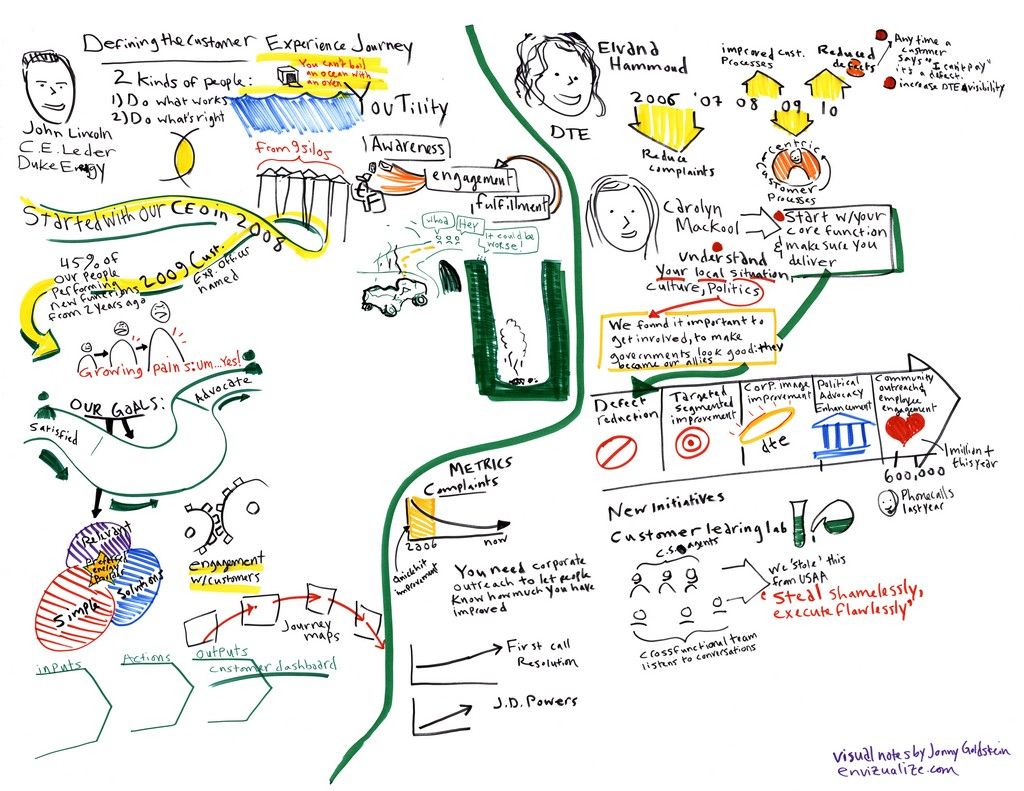

(c) jonny goldstein, Fair Use

Service design feeds into creating great customer experiences. This a customer experience map for a utility service.

General Principles of Service Design

The general principles of service design are to focus the designer’s attention on generic requirements of all services. They are complemented by principles that relate to process design, organizational design, information design and technology design – we will come to these complementary principles in a few moments.

The general principles of service design are:

  • Services should be designed based on a genuine comprehension of the purpose of the service, the demand for the service and the ability of the service provider to deliver that service.

  • Services should be designed based on customer needs rather than the internal needs of the business.

  • Services should be designed to deliver a unified and efficient system rather than component-by-component which can lead to poor overall service performance.

  • Services should be designed based on creating value for users and customers and to be as efficient as possible.

  • Services should be designed on the understanding that special events (those that cause variation in general processes) will be treated as common events (and processes designed to accommodate them)

  • Services should always be designed with input from the users of the service

  • Services can and should be prototyped before being developed in full

  • Services must be designed in conjunction with a clear business case and model

  • Services should be developed as a minimum viable service (MVS) and then deployed. They can then be iterated and improved to add additional value based on user/customer feedback.

  • Services should be designed and delivered in collaboration with all relevant stakeholders (both external and internal)
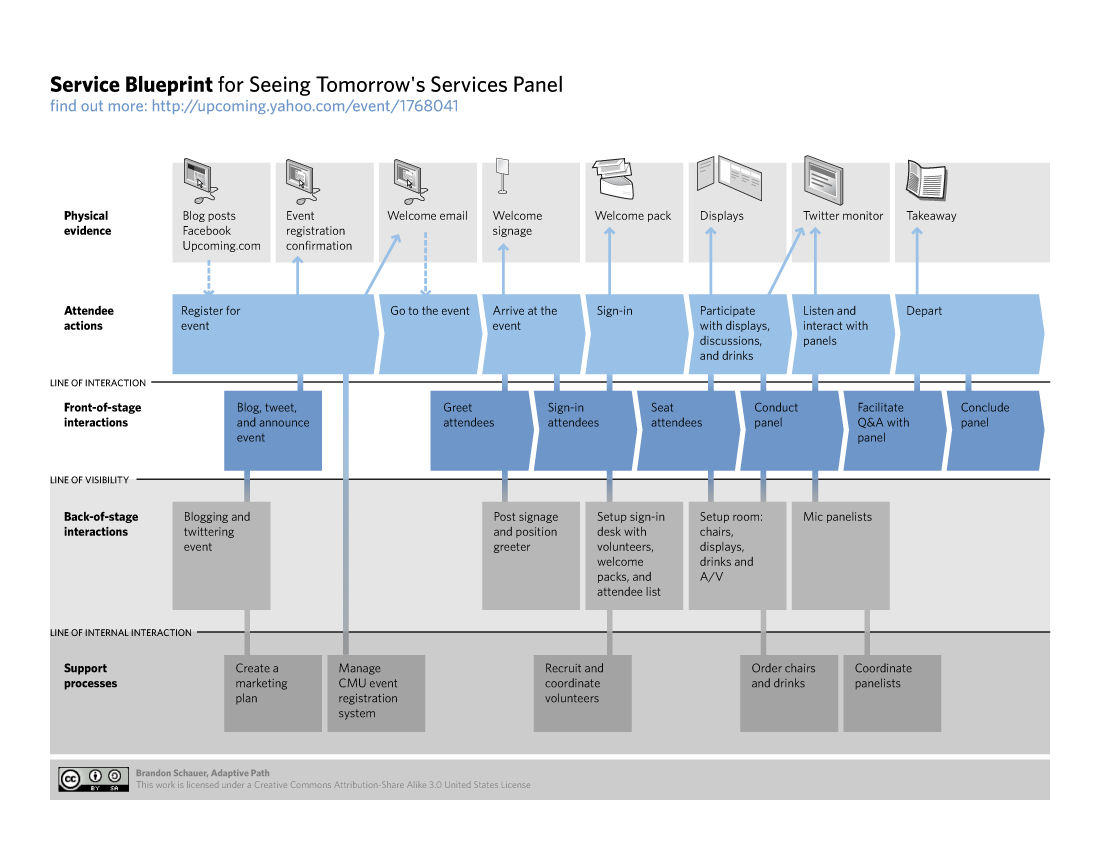

(c) brandon schauer, Fair Use

One of service design’s eventual outputs is the service blueprint which details all interactions with a customer. The service design principles ensure that this blueprint adds customer value when complete.

Process Design Principles for Service Design

Much of service design is found in the design of processes, both internal and external, and these principles underpin this:

  • Any activity that fails to add value for the customer should be eliminated or minimized

  • Work is always structured around processes and not around internal constructs such as functions, geography, product, etc.

  • Work shall not be fragmented unless absolutely necessary. This enables accountability and responsibility from a single individual and reduces delays, rework, etc. It encourages creativity, innovation and ownership of work.

  • Processes should be as simple as possible. Focus on reducing process steps, hand overs, rules and controls. Wherever possible the owner of the process should have control over how it is delivered.

  • Processes should reflect customer needs and many versions of a process are acceptable if customers have different needs.

  • Process variation should be kept to a minimum.

  • Process dependencies should be kept to a minimum. (I.e. process in parallel)

  • Processes should be internalized rather than overly decomposed (e.g. training is better than work instructions)

  • Process breaks and delays must be kept to a minimum

  • Reconciliation, controls and inspection of process must be kept to a minimum

  • KPIs for processes will only measure things that matter

Organizational Design Principles for Service Design

People are the key to service delivery and some basic principles for organizations can help them realize their full potential:

  • Work groups are to be organized so that they match the processes and the competencies required

  • Individual workers will be given sufficient autonomy to make useful decisions

  • Work will take place in a location where it is done with the most efficiency
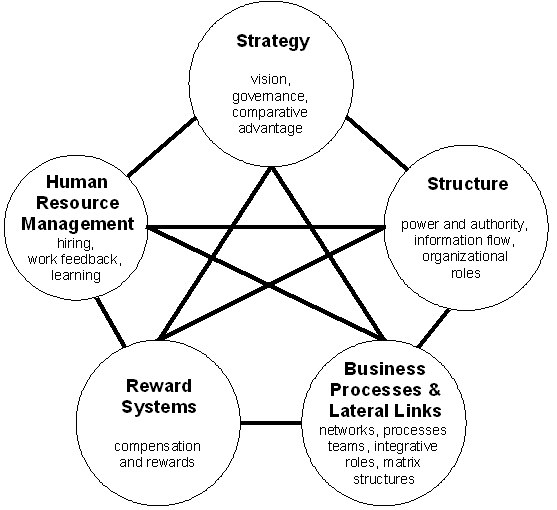

(c) Mschatten, Fair Use

Organizational design is a field all of its own and can become incredibly complex. It’s normally a process managed by HR, but there’s no reason that UX and service designers cannot be involved.

Information Design Principles for Service Design

Information flow is key to delivering high quality services; if people don’t know what they’re supposed to and when they’re supposed to know it – service suffers. These are simple principles for information design in service design:

  • Data shall be normalized between the organization and its customers and within the organization itself

  • Data shall be easy to transfer and be reusable within the organization and within the partner network

  • Wherever possible data entry shall be avoided and be replaced by data lookup, selection and confirmation utilities instead
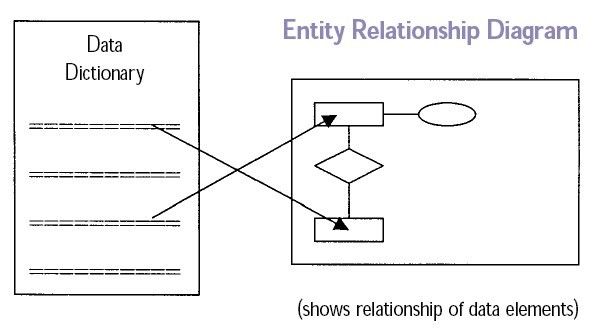

(c) Data Integration Glossary, Fair Use

Data design will normally be carried out by DBAs (Database Administrators) however; UX and service designers should have a large amount of input in ensuring guiding principles are adhered to.

Technology Design Principles for Service Design

Technology design principles are used to support the delivery of service. They include:

  • Technology should always be used to enable a service; it should not be the driver of a service.

  • Technology should be pulled into a service design rather than pushed into it.

  • Technology design is to be flexible enough and agile enough to allow fast modification in the face of changing customer requirements

The Take Away

Service design principles support the development of services which deliver high quality experiences to users and customers. Many of these principles are similar to principles already employed in UX design and it should be relatively easy for an experienced UX designer in products to transition to UX design for services.

Resources

See the design4services website for a free resource with large amounts of resources for service designers.

Examine 6 simple service design principles with Moz.

Read 10 service design principles for web services from the Service Design Program.

Hero Image: (c)_dChris, Fair Use

Learn More in This Course:

Design for Thought and Emotion

1
5
21
33
98 % booked
View Course

What You Should Read Next

  • Read full article
    What is Interaction Design? - Article hero image
    Interaction Design Foundation logo

    What is Interaction Design?

    Interaction design is an important component within the giant umbrella of user experience (UX) design. In this article, we’ll explain what interaction design is, some useful models of interaction design, as well as briefly describe what an interaction designer usually does.A simple and useful unders

    Social shares
    1.5k
    Published
    Read Article
  • Read full article
    Apple’s Product Development Process – Inside the World’s Greatest Design Organization - Article hero image
    Interaction Design Foundation logo

    Apple’s Product Development Process – Inside the World’s Greatest Design Organization

    Apple’s Product Development Process may be one of the most successful design processes ever implemented. With a valuation that exceeds $2 trillion, there’s a lot that designers can learn from Apple and introduce into their own design environments.Apple is a notoriously secretive business. In Steve J

    Social shares
    1.4k
    Published
    Read Article
  • Read full article
    Shneiderman’s Eight Golden Rules Will Help You Design Better Interfaces - Article hero image
    Interaction Design Foundation logo

    Shneiderman’s Eight Golden Rules Will Help You Design Better Interfaces

    Follow Ben Shneiderman’s 'Eight Golden Rules of Interface Design' if you want to design great, productive and frustration-free user interfaces. Apple, Google and Microsoft are among some of the highly successful companies whose well-designed products reflect Shneiderman’s rules. The characteristics

    Social shares
    1.4k
    Published
    Read Article
  • Read full article
    How to Change Your Career from Graphic Design to UX Design - Article hero image
    Interaction Design Foundation logo

    How to Change Your Career from Graphic Design to UX Design

    If there’s an occupation that is 100% linked with the public’s idea of what design is all about, it’s graphic design. From the familiar golden arches of the McDonald’s brand to the typography and colors of movie posters, graphic designers create some of the most iconic and ubiquitous designs around

    Social shares
    1.4k
    Published
    Read Article
  • Read full article
    The Grid System: Building a Solid Design Layout - Article hero image
    Interaction Design Foundation logo

    The Grid System: Building a Solid Design Layout

    Now that we’ve seen some grids at work in the Rule of Thirds article, let’s examine them a little more deeply. As a concept that deals so fundamentally with the fabric and background of our work as designers, it’s easy to overlook the power of grids and think more about the elements we want to creat

    Social shares
    1.4k
    Published
    Read Article
  • Read full article
    The Key Elements & Principles of Visual Design - Article hero image
    Interaction Design Foundation logo

    The Key Elements & Principles of Visual Design

    Visual design is about creating and making the general aesthetics of a product consistent. To create the aesthetic style of a website or app, we work with fundamental elements of visual design, arranging them according to principles of design. These elements and principles together form the building

    Social shares
    1.4k
    Published
    Read Article
  • Read full article
    A Simple Introduction to Lean UX - Article hero image
    Interaction Design Foundation logo

    A Simple Introduction to Lean UX

    Lean UX is an incredibly useful technique when working on projects where the Agile development method is used. Traditional UX techniques often don’t work when development is conducted in rapid bursts – there’s not enough time to deliver UX in the same way. Fundamentally Lean UX and other forms of UX

    Social shares
    1.3k
    Published
    Read Article
  • Read full article
    Dieter Rams: 10 Timeless Commandments for Good Design - Article hero image
    Interaction Design Foundation logo

    Dieter Rams: 10 Timeless Commandments for Good Design

    Let’s pay a virtual visit to a famous industrial designer’s workshop. By examining the principles of his winning approach, we can incorporate vital elements into our designs in the “less is more” age.As user experience practitioners, most of us have worked with Nielsen and Molich’s 10 heuristics or

    Social shares
    1.3k
    Published
    Read Article
  • Read full article
    The 7 Factors that Influence User Experience - Article hero image
    Interaction Design Foundation logo

    The 7 Factors that Influence User Experience

    User Experience (UX) is critical to the success or failure of a product in the market but what do we mean by UX? All too often UX is confused with usability which describes to some extent how easy a product is to use and it is true that UX as a discipline began with usability – however, UX has grown

    Social shares
    1.3k
    Published
    Read Article
  • Read full article
    10 Free-to-Use Wireframing Tools for UX Designers in 2026 - Article hero image
    Interaction Design Foundation logo

    10 Free-to-Use Wireframing Tools for UX Designers in 2026

    Wireframes help you quickly ideate and test your ideas. While paper wireframes are the fastest to create, digital wireframes look more polished and presentable. If you are looking for a pocket-friendly wireframing tool, look no further.Whether you prefer browser-based apps or offline desktop tools,

    Social shares
    1.3k
    Published
    Read Article

Top Articles

Top Topic Definitions

Feel Stuck?
Want Better Job Options?

AI is replacing jobs everywhere, yet design jobs are booming with a projected 45% job growth. With design skills, you can create products and services people love. More love means more impact and greater salary potential.

At IxDF, we help you from your first course to your next job, all in one place.

See How Design Skills Turn Into Job Options
Privacy Settings
By using this site, you accept our Cookie Policy and Terms of Use.
Customize
Accept all

Be the One Who Inspires

People remember who shares great ideas.

Share on:

Academic Credibility — On Autopilot

Don't waste time googling citation formats. Just copy, paste and look legit in seconds.

Feel Stuck? Want Freedom?

Join 326,013+ designers who get one powerful email each week. Learn to design a life you love.

Next email in
1
day
17
hrs
21
mins
34
secs

Free forever. No spam. Unsubscribe anytime.