Human-AI Interaction (HAX)

Your constantly-updated definition of Human-AI Interaction (HAX) and collection of videos and articles.
Be a conversation starter: Share this page and inspire others!

105 Shares
Save

Get 1 Powerful Email Each Week

Join 313,908 subscribers.

What is Human-AI Interaction (HAX)?

Human-AI interaction studies and designs how humans and artificial intelligence (AI) systems communicate and collaborate. AI systems are computer programs that can perform tasks that usually require human intelligence, such as understanding natural language, recognizing images, making decisions, and learning from data. Human-AI interaction aims to create AI systems that are user-friendly, trustworthy, ethical, and beneficial for humans. It covers the broad spectrum of AI, including narrow AI, general AI and generative AI.

Some of the topics and challenges that human-AI interaction addresses are:

  • How to make AI systems transparent and explainable so that users can understand how and why they work and what their limitations and uncertainties are.

  • How to design AI systems that are responsive and adaptive so that they can adjust to the user’s needs, preferences, goals, and feedback.

  • How to ensure AI systems are fair and accountable so that they do not discriminate, harm, or deceive users and respect their privacy, values, and rights.

  • Using appropriate methods and metrics to evaluate AI systems and their impact on users, society, and the environment.

Human-AI interaction is an interdisciplinary field that draws from various disciplines, such as computer science, psychology, sociology, design, and ethics. Human-AI interaction researchers and practitioners use multiple methods and tools, such as user research, prototyping, testing, and evaluation, to create and improve human-centered AI systems. The intention is to amplify and augment rather than displace human abilities.

What is the History of Human-AI Interaction?

The history of human-AI interaction starts with AI itself. Alan Turing, the founder of computer science and a pioneer of AI, proposed a method to evaluate whether a machine can exhibit intelligent behavior indistinguishable from a human. The method is called the Turing Test and is considered the birth of AI. Turing also envisioned machines that could learn, reason, and communicate with natural language.

In the 1950s and 1960s, AI researchers developed the first AI systems that could perform tasks such as playing chess, proving theorems, and translating languages. These systems were based on symbolic logic and rule-based reasoning and required human programmers to provide explicit knowledge and instructions. However, these systems faced limitations in dealing with uncertainty, ambiguity, and complexity and could not cope with common sense or novel situations.
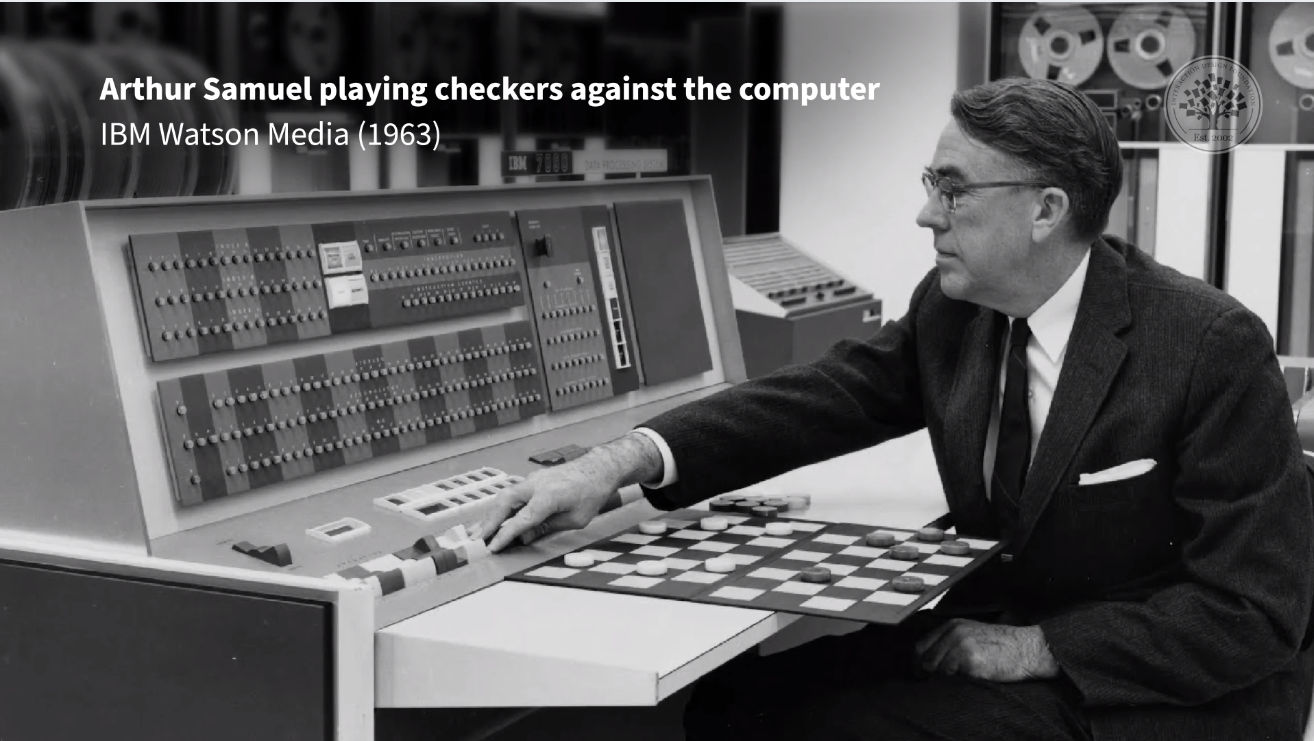
AI capabilities were basic in the 1950s and 60s, but systems were able to play games like checkers.

IBM Watson Media, Public Domain

In the 1970s and 1980s, AI researchers explored alternative approaches, such as neural networks, fuzzy logic, genetic algorithms, and expert systems. These systems aimed to emulate humans' biological and thought processes and learn from data and experience. They also enabled more natural and intuitive forms of human-AI interaction, such as speech recognition, computer vision, and natural language understanding. However, these systems faced scalability, reliability, and explainability challenges and were often criticized for being black boxes.

In the 1990s and 2000s, AI researchers made significant advances in machine learning, especially in deep learning. This technique uses multiple layers of artificial neurons to learn complex patterns and features from large amounts of data. Deep learning enabled AI systems to achieve remarkable performance in tasks such as image recognition, natural language generation, and game playing and to surpass human capabilities in some domains. Deep learning also facilitated new modes of human-AI interaction, such as conversational agents, recommender systems, and social robots. However, deep learning also raised new issues and challenges: data quality, privacy, security, bias, and ethics.
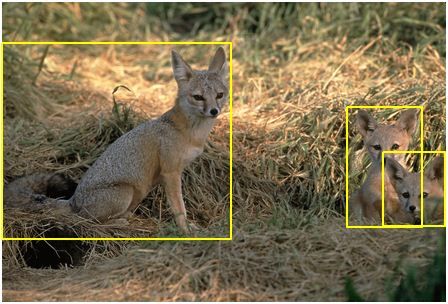
A sample image from an ImageNet object recognition challenge started in 2010. There are often hundreds of thousands of images that competitors' systems are trained and tested with.

ImageNet, Public Domain

In the 2010s and 2020s, AI researchers continued to explore and improve the methods and applications of AI, and to address the opportunities and risks of human-AI interaction. Some of the current and future directions of human-AI interaction research are:

  • How to make AI systems transparent and explainable, so that users can understand how and why they work, and what their limitations and uncertainties are.

  • How to design AI systems that are responsive and adaptive, so that they can adjust to the user’s needs, preferences, goals, and feedback.

  • How to ensure AI systems are fair and accountable so that they do not discriminate, harm, or deceive users. They must also respect the user’s privacy, values, and rights.

  • How to evaluate AI systems and their impact on users, society, and the environment using appropriate methods and metrics.

  • Human-AI interaction is an interdisciplinary field that draws from various disciplines, such as computer science, psychology, sociology, design, and ethics. Human-AI interaction researchers and practitioners use various methods and tools, such as user research, prototyping, testing, and evaluation, to create and improve human-centered AI systems, meaning that they amplify and augment rather than displace human abilities.

What are the Applications of Human-AI Interaction?

The applications of human-AI interaction are diverse and continue to expand as AI technology advances. Here are some critical applications:

  • Collaborative decision-making: AI can be applied in collaborative decision-making contexts, working alongside humans to provide insights, analyze data, and support decision-making processes. This approach can be beneficial in healthcare, finance, and business.

  • Virtual assistants: Virtual assistants like Siri, Alexa, and Google Assistant are examples of human-AI interaction applications. These AI-powered assistants can understand and respond to human voice commands, perform tasks, provide information, and assist with various daily activities.

  • Personalized recommendations: AI algorithms can analyze user preferences, behavior, and historical data to provide personalized recommendations. These are commonly seen in streaming, online shopping, and social media platforms, where AI suggests relevant content, products, or connections based on individual user profiles.

Screenshot of the article recommendations tool designed by the Wikimedia Foundation Research & Data team. Many recommender systems work on extremely large datasets, known as "big data".

Wikimedia Foundation, CC BY-SA 4.0 (https://creativecommons.org/licenses/by-sa/4.0/deed.en)

  • Natural language processing: Human-AI interaction involves the ability of AI systems to understand and process human language. Natural language processing (NLP) enables AI to interpret and respond to text or speech inputs, facilitating communication between humans and machines. Chatbots, voice assistants, and language translation tools make use of NLP.

  • Autonomous vehicles: Human-AI interaction plays a crucial role in developing autonomous vehicles. AI systems analyze sensor data, make real-time decisions, and assist human drivers in navigation, collision avoidance, and traffic management.

  • Healthcare: AI can assist with diagnosis, treatment planning, and patient monitoring. Human-AI interaction in healthcare can improve the accuracy, efficiency, and accessibility of medical services, leading to better patient outcomes.

  • Education: AI can enhance the learning experience by providing personalized tutoring, adaptive learning platforms, and intelligent feedback. Human-AI interaction in education can support students' learning journey and provide educators with valuable insights and tools.

These are just a few examples of the applications of human-AI interaction. As AI technology evolves, we can expect to see even more innovative and impactful applications in various domains.

What is the Future of Human-AI Interaction?

The future of human-AI interaction is a topic that has many possibilities and challenges:

  • The development of new technologies and applications that use AI to augment and enhance human capabilities, such as augmented reality, virtual reality, conversational agents, recommender systems, and social robots. These technologies may offer new opportunities for learning, entertainment, health, and productivity, but also require new skills, norms, and ethics for human-AI collaboration.

  • The improvement of AI systems so that they are transparent, explainable, responsive, and adaptive. This will allow communication and cooperation with humans in natural and intuitive ways. These systems may help users understand how and why they work, their limitations and uncertainties, and how they can adjust to the user’s needs, preferences, goals, and feedback.

  • The assurance of AI systems that are fair, accountable, and respectful, so that they do not discriminate, harm, or deceive users, and that they respect the user’s privacy, values, and rights. These systems may need to follow ethical principles and guidelines and be subject to regulation and oversight to ensure they align with human interests and values.

  • The evaluation of AI systems and their impact on users, society, and the environment using appropriate methods and metrics. These systems may need to be assessed and monitored for their usability, accessibility, compatibility, and sustainability, and for their potential benefits and risks for individuals, groups, and communities.

The future of human-AI interaction may depend on the role and attitude of humans towards AI, and the balance and cooperation between human and AI intelligence. Some experts suggest that the best communicators and collaborators of the future will be centaurs, a perfect blend of human expertise, AI computing power, and exceptional communication skills.

Questions About Human-AI Interaction (HAX)?
We've Got Answers!

What is human-AI interaction?

Human-AI interaction is the study and design of how humans and artificial intelligence (AI) systems communicate and collaborate. AI systems are computer programs that can perform tasks that normally require human intelligence, such as understanding natural language, recognizing images, making decisions, and learning from data. Human-AI interaction aims to create AI systems that are user-friendly, trustworthy, ethical, and beneficial for humans.

Why is human-AI interaction important?

Human-AI interaction is important because AI systems are becoming more prevalent and influential in various domains and aspects of human life, such as education, health, entertainment, business, and social media. Human-AI interaction can ensure that AI systems are designed and used to enhance and augment human capabilities, rather than displace or harm them. Human-AI interaction can also foster positive and meaningful relationships between humans and AI systems and promote mutual understanding and cooperation.

What are the challenges and opportunities of human-AI interaction?

Human-AI interaction faces many challenges and opportunities, such as:

  • How to make AI systems transparent and explainable, so that users can understand how and why they work, and what their limitations and uncertainties are.

  • How to design AI systems that are responsive and adaptive, so that they can adjust to the user’s needs, preferences, goals, and feedback.

  • How to ensure AI systems are fair and accountable so that they do not discriminate, harm, or deceive users, and that they respect the user’s privacy, values, and rights.

  • How to evaluate AI systems and their impact on users, society, and the environment, using appropriate methods and metrics.

  • How to balance and synergize human and AI intelligence, and leverage their complementary strengths and weaknesses.

How can I learn more about human-AI interaction?

You can learn more about human-AI interaction by reading books, articles, blogs, and podcasts that cover various topics and perspectives on human-AI interaction. You can also take online courses, workshops, and webinars that teach the principles and practices of human-AI interaction. You can also join online communities, forums, and events that connect and engage human-AI interaction researchers, practitioners, and enthusiasts. See our reading list on this page.

Earn a Gift, Answer a Short Quiz!

1
2
3
4
1
2
3
4
Question 1
Question 2
Question 3
Get Your Gift

Question 1

Why is transparency important in human-AI interaction?

1 point towards your gift

  • It allows users to understand how AI systems work and their limitations.
  • It helps AI systems learn faster from user data.
  • It ensures AI systems can work autonomously without human oversight.

Question 2

What is a primary goal of ensuring fairness and accountability in AI design?

1 point towards your gift

  • To improve AI efficiency in decision-making tasks.
  • To prevent AI from discriminating against or deceiving users.
  • To increase AI system profitability for businesses.

Question 3

How should an AI system be designed to better collaborate with users?

1 point towards your gift

  • By providing predefined responses for user commands.
  • By being adaptable to the user’s preferences and goals.
  • By limiting user control to ensure consistent outputs.

Learn More About Human-AI Interaction (HAX)

Make learning as easy as watching Netflix: Learn more about Human-AI Interaction (HAX) by taking the online IxDF Course AI for Designers.

Why? Because design skills make you valuable. In any job. Any industry.

In This Course, You'll

  • Get excited about AI as a collaborator that amplifies your skills, accelerates your process, and follows your lead. With AI reshaping every industry, you'll immediately work faster and create better results, no matter your role. The World Economic Forum's Future of Jobs Report 2025 projects that 39% of core skills will change by 2030, with AI fluency as the fastest-growing skill employers are hiring for. Whether you're looking for new, exciting opportunities in the AI space or want to integrate it into your daily work, this course is for you. By the end, you'll have AI skills paired with timeless, human-centered design skills and be ready for the next step in your career.

  • Make yourself invaluable as you take control and direct AI toward precise, repeatable outcomes. You'll learn to collaborate efficiently with AI and understand which decisions need deep human leadership. This way, you'll be able to automate repetitive tasks and free up more of your time for strategic work. You'll also learn to discern when integrating AI into products makes sense and benefits users, and when it doesn't. With practical guidance and real-world examples, you can apply your skills immediately, whether you're at the start of your career or in a senior or leadership role.

  • Gain confidence and credibility as you learn to use and design for AI responsibly. You'll know how to identify and address the three levels of AI bias (human-cognitive, systemic, and statistical/computational), apply Microsoft's HAX guidelines to build AI experiences people can rely on, and check your work against the National Institute of Standards and Technology's seven characteristics of a trustworthy AI system. At the end of this course, you'll be able to use and design for AI confidently and ethically.

  • Craft your personal portfolio with optional hands-on activities that cover the whole design process, from research to final solution. You'll get downloadable templates and step-by-step guidance at every stage, so it's straightforward for you to build a portfolio-ready case study and apply these new frameworks to your day-to-day work.

Learn From Industry Leaders

Master complex skills with proven best practices and toolkits directly from industry leaders. Meet your experts for this course:

  • Ioana Teleanu: Founder of UX Goodies and former Lead Product Designer (AI) at Miro.

  • Rafael Hernandez: Lead Product Designer at T. Rowe Price.

  • Jarvis Moore: Senior Design Lead, Design Systems at Microsoft.

  • Niwal Sheikh: Product Design Lead at Netflix.

  • Vitaly Friedman: Senior UX Consultant for the European Parliament, and Creative Lead, Smashing Magazine.

  • Pablo Stanley: Designer and CEO of Musho and Lummi.

Earn Industry-Recognized Certificates

Industry giants trust our courses to train their teams, and prestigious universities integrate our content into their curricula. Add your certificates to your LinkedIn profile, résumé, and job applications.

Our clients: IBM, Harvard University, University of Cambridge, NASA, Adobe, Stanford, Massachusetts Institute of Technology, LinkedIn
Course Certificate

All Free IxDF Articles on Human-AI Interaction (HAX)

Read full article
Why Is AI so Important and How Is It Changing the World? - Article hero image

Why Is AI so Important and How Is It Changing the World?

You've heard about AI and all the wonderful (and sometimes scary) possibilities. But unlike sci-fi apocalyptic movies, AI isn't out to destroy humanity. Let's take a look at the challenges and opportunities we face as AI meets design.In this video, Ioana Teleanu, Founder of UX Goodies and former Lea

Social shares
476
Published
Read Article

Why Is AI so Important and How Is It Changing the World?

Why Is AI so Important and How Is It Changing the World?

You've heard about AI and all the wonderful (and sometimes scary) possibilities. But unlike sci-fi apocalyptic movies, AI isn't out to destroy humanity. Let's take a look at the challenges and opportunities we face as AI meets design.

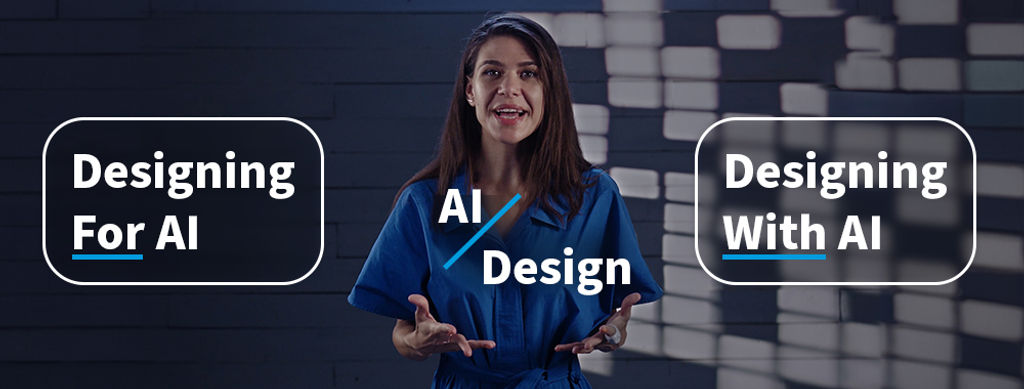
In this video, Ioana Teleanu, Founder of UX Goodies and former Lead Product Designer (AI) at Miro, talks about the impact of AI on design from two perspectives: “Designing for AI” products and “Designing with AI”.

Transcript

How AI is Changing the World

AI is already reshaping our world, from its profound influence on healthcare and education to its transformative impact on transportation and agriculture:

  • Chatbots are commonplace, AI-generated art is everywhere, and prompt engineering is now an essential skill.

  • Stanford's AI Index Report shows AI adoption jumped from 55% of organizations in 2024 to 78% in 2025.

  • A report by PwC says that people with advanced AI skills earned a 56% wage premium compared to those without (based on nearly 1 billion job ads).

In this video, we'll navigate the intricate terrain of AI's far-reaching effects, and explore the concerns it raises and its remarkable potential across diverse domains.

Transcript

The Take Away

In AI and design, we have two core aspects: "Designing for AI" and "Designing with AI".

  • "Designing for AI" means that we incorporate AI into the solutions that we design. Don’t think of products based on detailed commands; rather, express goals and let AI work out the steps. This changes the way we think about products and solutions.

  • "Designing with AI" means that we can incorporate AI into our design process. We can think of it as a partner and collaborator.  We can use AI as an exoskeleton and augment our capabilities.

AI brings both concerns and undeniable benefits. While some express worries about its rapid development, AI also holds immense potential. It can revolutionize healthcare, education, environmental sustainability, transportation, and productivity. Historically, such technological shifts have raised concerns, but they've ultimately led to new opportunities and societal changes. Thus, it's crucial to approach AI with a balanced perspective and recognize its dual nature.

References and Where to Learn More

Watch our 1-hour Master Class with Rafael Hernandez, Lead Product Designer at T. Rowe Price, and discover how to Get Ahead in Product Design with AI.

Explore our comprehensive article on Artificial Intelligence for a complete overview of AI in design, along with additional resources.

Find out how to get an AI efficiency boost as you build your design portfolio in our article, Create a Winning UX/UI Portfolio: Optimize with AI.

Hero image: © Interaction Design Foundation, CC BY-SA 4.0

39% of Today's Skills Will Change by 2030

The World Economic Forum expects 39% of today's skills to be transformed or become outdated by 2030.

The good news is that jobs in UX / UI design and AI are among the fastest-growing professions globally.

Build Skills That Keep You Relevant

Privacy Settings

By using this site, you accept our Cookie Policy and Terms of Use.
Customize
Accept all

Be the One Who Inspires

People remember who shares great ideas.

Share on:

Academic Credibility — On Autopilot

Don't waste time googling citation formats. Just copy, paste and look legit in seconds.