Social Media in UX/UI Design

Your constantly-updated definition of Social Media in UX/UI Design and collection of videos and articles.
Be a conversation starter: Share this page and inspire others!

316 Shares
Save

Get 1 Powerful Email Each Week

Join 313,908 subscribers.

What is Social Media in UX/UI Design?

Social media is a type of digital social network that has become—for many users—a normal activity of everyday life. People create and use social media accounts to communicate with loved ones and share news, ideas, and personal accomplishments.

A clever user experience (UX) designer knows how to leverage social media and use it as a research tool.

Social media is a great platform to take advantage of when conducting UX research or user research because it is inexpensive and makes direct communication with users easy.

Learn More About Social Media in UX/UI Design

Make learning as easy as watching Netflix: Learn more about Social Media by taking the online IxDF Course UI Design Patterns for Successful Software.

Why? Because design skills make you valuable. In any job. Any industry.

In This Course, You'll

  • Get excited to learn why the interfaces of sites like YouTube, Wikipedia, and eBay feel so effortless, and how the design patterns behind them can do the same for your own work. Think about how frustrating it is when a menu vanishes the instant your cursor drifts over its edge. Now, what about the menu that stays put while you find what you came for? You barely notice it, and that's the point: when a pattern is applied well, the interface feels almost invisible. The world's best interfaces are built from well-understood patterns, like menus, breadcrumbs, and autocomplete, applied at the right moment for the right reason and (almost) always in service of the user. This course teaches you to do the same. For each of the 25 core patterns in this course, you'll learn the design problem it solves, why you'd use it over another, how to implement it well, and the pitfalls to avoid when implementing it. You'll build on your existing skills like analytical thinking, creativity, clear communication, and problem-solving. Whether you're new to UI design or a senior designer looking to sharpen how you justify and teach design decisions, this course gives you a practical foundation in the patterns behind every great interface.

  • Make yourself invaluable when you can design an interface so your users can find what they need, finish what they came to do, and never have to stop and think about how. This makes customers happier, which means greater loyalty and increased conversions. You'll be able to create logical structure, organize content so nothing gets lost, move users through an interface without friction, take the pain out of forms, and bring people together through social features. To achieve this, you'll work with the UI patterns successful designers use every day, such as visual frameworks, tabs and pagination, breadcrumbs and search, autocomplete and event calendars, and leaderboards and starred reviews. AI can assemble these patterns into a polished UI in minutes, but it can't decide which patterns serve your users best. Your human-centered design skills are what make a polished interface work well for the people using it, and that makes you indispensable.

  • Build confidence and credibility when you can design an interface that brings people together and builds a community they return to. With social patterns like achievements, leaderboards, and starred reviews, you'll learn to encourage the behaviors that keep users engaged. You'll also study what happens when that same influence is turned against the user: dark patterns such as implied consent and forced account creation, engineered to serve the company at the user's expense. For each, you'll see how it works, what it costs your users and your integrity, and how to pursue the same goal while keeping people's trust.

  • Craft your personal portfolio through optional hands-on activities built around Wikipedia, eBay, and X. You'll deconstruct each interface, judge which combinations of patterns work and which fail, and propose improvements. The result is a set of case studies that show you can assess and strengthen real digital products. And with downloadable templates for sitemaps, user input forms, leaderboards, and more, you'll apply your new skills immediately in your work.

Earn Industry-Recognized Certificates

Industry giants trust our courses to train their teams, and prestigious universities integrate our content into their curricula. Add your certificates to your LinkedIn profile, résumé, and job applications.

Our clients: IBM, Harvard University, University of Cambridge, NASA, Adobe, Stanford, Massachusetts Institute of Technology, LinkedIn
Course Certificate

All Free IxDF Articles on Social Media in UX/UI Design

Read full article
20 People in UX that You Have to Follow on Twitter - Article hero image

20 People in UX that You Have to Follow on Twitter

If you’re stuck for where to get started in UX then one of the easiest things you can do is get active on social media. If you connect with the industry’s biggest names, you can learn a ton of new information, find out about job opportunities and network with many other UX designers at the same time

Social shares
1.1k
Published
Read Article
Read full article
SEO vs. SEM for Freelancers and Entrepreneurs: Improve Your Marketing Strategy - Article hero image

SEO vs. SEM for Freelancers and Entrepreneurs: Improve Your Marketing Strategy

An entrepreneur or freelancer has two main strategies to tap into when marketing online. Search Engine Optimization (SEO), which attempts to rank your website on search engines “organically”, and Search Engine Marketing (SEM), which ranks your website in search results in exchange for money. Both st

Social shares
542
Published
Read Article
Read full article
Using Social Media for Better UX Design - Article hero image

Using Social Media for Better UX Design

It’s funny that social media has become such a huge part of our lives in such a short time but that we all too often forget its potential as a tool for UX research. We’ve got some very simple tips for turning Facebook, Twitter, etc. into UX research tools that won’t cost very much to implement.1. Li

Social shares
524
Published
Read Article

Using Social Media for Better UX Design

Using Social Media for Better UX Design

It’s funny that social media has become such a huge part of our lives in such a short time but that we all too often forget its potential as a tool for UX research. We’ve got some very simple tips for turning Facebook, Twitter, etc. into UX research tools that won’t cost very much to implement.

1. Listen – Quickly


Author/Copyright holder: bug_g_membracid. Copyright terms and licence: CC BY-NC 2.0


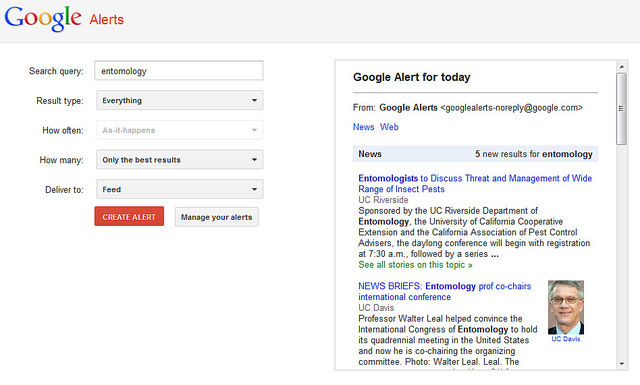
Tools like Google Alerts (and there are many similar tools available now) enable you to listen quickly and effectively to conversations online about your products and indeed your competitors products. It won’t take very long to set up a list of the most relevant industry keywords and then have any news related to them quickly delivered to your inbox. It cuts down on what would otherwise be a long slow painful online trawl for data into an informative digest that lets you keep firmly up to date with the frustrations and joys of your industry.

2. Be With Your Tribe
Author/Copyright holder: Fors Marsh Group. Copyright terms and licence: All rights reserved Img source

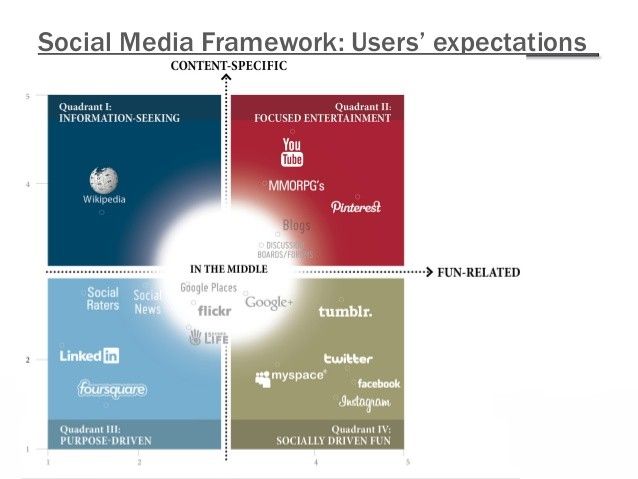
Where do your users hang out in social media when they’re not on your social media pages? You want to get a feel for those who love you and those who hate you when they’re not specifically interacting with them about your products. You can identify brand ambassadors (who make for great user testing candidates). You can also work with your detractors to turn them into fans. Of course not every complainer has something worthwhile to say but many do. It’s amazing how a bit of love to those complainers can get them onside and helping you to improve the user experience.

3. Think About Remarketing

Author/Copyright holder: Unknown. Copyright terms and licence: Unknown Img source


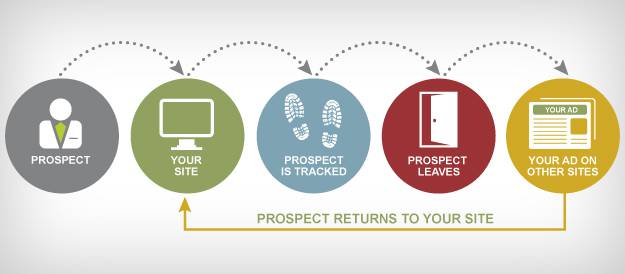
If you want to test new promotional content; you can always split test it with a remarketing campaign in one of your social media platforms. Use the targeting functionality to deliver a specific ad to a specific group and measure the impact of that ad. In the long run; you’ll be able to target your promotions much more effectively.

4. Talk To Your Following

User research is all about talking to your users. If you have fans, Twitter followers, etc. then reach out to them. If you need a very specific question answered; you can throw it open to your audience on Facebook and receive incredibly rapid feedback on it. Many social media channels will let you create audience polls if you need to control the responses too.

Don’t forget to thank people for their time and note any people who are especially helpful; they may be easy to persuade to be helpful again in the future.

5. Check Your Influence
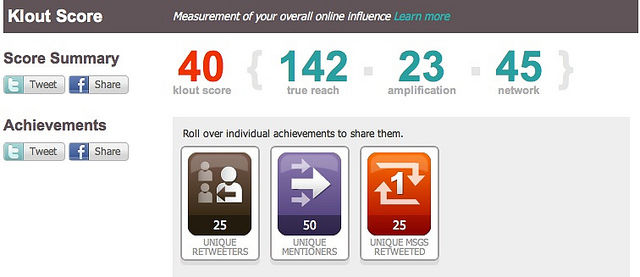

Author/Copyright holder: BeckyCortino. Copyright terms and licence: CC BY 2.0

Want to know if your efforts are having the right effect? Use Klout or a similar tool to measure your online influence. The greater your score the more likely it is that you are reaching your users on social media in the right way and to the greatest of business impacts.

Header Image: Author/Copyright holder: Christine. Copyright terms and licence: CC BY-NC 2.0


39% of Today's Skills Will Change by 2030

The World Economic Forum expects 39% of today's skills to be transformed or become outdated by 2030.

The good news is that jobs in UX / UI design and AI are among the fastest-growing professions globally.

Build Skills That Keep You Relevant

Privacy Settings

By using this site, you accept our Cookie Policy and Terms of Use.
Customize
Accept all

Be the One Who Inspires

People remember who shares great ideas.

Share on:

Academic Credibility — On Autopilot

Don't waste time googling citation formats. Just copy, paste and look legit in seconds.