Design Failures

Your constantly-updated definition of Design Failures and collection of videos and articles.
Be a conversation starter: Share this page and inspire others!

316 Shares
Save

Get 1 Powerful Email Each Week

Join 313,908 subscribers.

What are Design Failures?

Design failures – as the name implies – are designs that have completely failed. From time to time, designers fall flat on their faces and create solutions that are outlandish and impractical.

Mistakes happen and poor choices are made. The best thing to do is to learn and move on.

Sometimes, a design may fail regardless of the designer’s skill level or execution. For example, even if the user interface is exquisite and the information architecture is logical and intuitive, there is still a chance that the design may fail. Why? The design needs to be adopted and accepted by the target audience.

The spectrum of design failures ranges far and wide. But one thing is for sure, mistakes are a natural part of creativity and the best thing you can do is learn from them.

Learn More About Design Failures

Make learning as easy as watching Netflix: Learn more about Design Failures by taking the online IxDF Course User Experience: The Beginner's Guide.

Why? Because design skills make you valuable. In any job. Any industry.

In This Course, You'll

  • Get excited to become a UX designer, one of the most in-demand roles in tech, and the person responsible for whether people love a product or abandon it. In this course, you'll learn from industry leaders like Don Norman, who coined the very term "User Experience." You'll build a solid UX foundation, from the core principles that shape how people experience products to the hands-on methods and deliverables that define UX work. Along the way, you'll build on your existing skills, like empathy and creativity, master the entire design process, from user research to testing and prototyping, and finish with the skills, vocabulary, and a portfolio that proves you can do the job.

  • Make yourself invaluable when you learn the frameworks, methods, and tools at the core of professional UX practice. You'll use Jesse James Garrett's five elements of user experience and Peter Morville's seven factors (usefulness, usability, findability, credibility, desirability, accessibility, and value) as the foundation for every design decision you'll make. These frameworks apply across the full design process (empathize, define, ideate, prototype, test). At every stage, you'll complete optional hands-on activities that build toward your complete portfolio deliverable.

  • Gain confidence and credibility when you know how UX design functions inside organizations. You'll learn how waterfall and Agile development frameworks operate, how to prevent design handoffs between designers and developers from breaking down, and how to advocate for UX to stakeholders and clients. And because the UX process at a startup looks very different from UX at an enterprise company, you'll be able to adapt your design process to different team structures, product stages, and organizational constraints.

  • Craft your personal portfolio through an optional hands-on project that runs the full length of the course. Each activity builds on the last, from your first user interview through to your tested prototype. By the end, you'll have a complete case study with a competitive analysis, personas, journey maps, sketches, prototypes, and usability findings that shows employers your process, your judgment, and your ability to move from idea to validated design. You'll also give and receive feedback within a global community of your peers, which will sharpen your ability to critique work constructively and articulate design decisions clearly. You might be exploring UX for the first time, be ready to make a career switch into design, or be a designer who wants to fill in your gaps. Wherever you're starting from, this comprehensive course gives you the skills, the practice, and the portfolio to land your first UX role and create better results in your daily design work.

Learn From Industry Leaders

Master complex skills with proven best practices and toolkits directly from industry leaders. Meet your experts for this course:

  • Don Norman: Father of User Experience (UX) design, author of the legendary book “The Design of Everyday Things,” and co-founder of the Nielsen Norman Group.

  • Rikke Friis Dam and Mads Soegaard: Co-Founders and Co-CEOs of IxDF. 

  • Mike Rohde: Experience and Interface Designer, author of the bestselling “The Sketchnote Handbook.”

  • Stephen Gay: User Experience leader with 20+ years of experience in digital innovation and coaching teams across five continents.

  • Alan Dix: Author of the bestselling book “Human-Computer Interaction” and Director of the Computational Foundry at Swansea University.

  • Ann Blandford: Professor of Human-Computer Interaction at University College London.

  • Cory Lebson: Principal User Experience Researcher with 20+ years of experience and author of “The UX Careers Handbook.”

Earn Industry-Recognized Certificates

Industry giants trust our courses to train their teams, and prestigious universities integrate our content into their curricula. Add your certificates to your LinkedIn profile, résumé, and job applications.

Our clients: IBM, Harvard University, University of Cambridge, NASA, Adobe, Stanford, Massachusetts Institute of Technology, LinkedIn
Course Certificate

All Free IxDF Articles on Design Failures

Read full article
Design Failures - Article hero image

Design Failures

Steve Jobs once said: ''Design is not just what it looks like and feels like. Design is how it works.'' Normally, we like to showcase great design but there’s a lot you can learn from dreadful design too. We don’t think Steve Jobs had anything to do with the 30 howlers that follow. From lousy usabi

Social shares
1.1k
Published
Read Article
Read full article
Bad UX Exposed: A Comprehensive Guide to Avoiding Pitfalls - Article hero image

Bad UX Exposed: A Comprehensive Guide to Avoiding Pitfalls

In today’s vibrant digital design landscape, creating meaningful connections with users goes beyond offering innovative products or services. It leads us into the world of user experience design (or UX design). This critical factor shapes our interaction with the users and plays a big role in making

Social shares
973
Published
Read Article
Read full article
What the Numbers Missed: 4 Times Personas Could Have Saved Millions - Article hero image

What the Numbers Missed: 4 Times Personas Could Have Saved Millions

Numbers answer a big question—"What?” What is the problem? What happened when we did this? “What” gives us so much. It contributes to important decisions that improve people’s lives and business outcomes. But numbers cannot answer another big question—"Why?” Why is this a problem? Why did this happe

Social shares
417
Published
Read Article

Design Failures

Design Failures

Steve Jobs once said: ''Design is not just what it looks like and feels like. Design is how it works.''

Normally, we like to showcase great design but there’s a lot you can learn from dreadful design too. We don’t think Steve Jobs had anything to do with the 30 howlers that follow. From lousy usability to no utility we’ve got all your design failures covered here.

Check out the ATM below. You have to wonder what the designers were drinking before they let this leave the drawing board. Perhaps, there is an abundance of giants in their neighborhood? It’s the only reason we can think of for letting this go ahead…

1. When you really need to examine the time in 3-dimensions
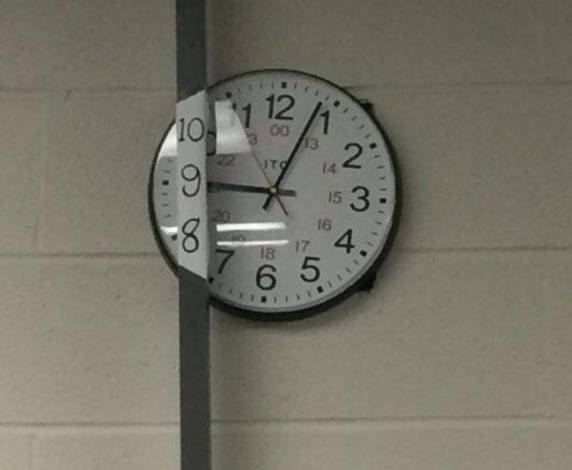
2. A bit of a bum deal for this children’s playground

3. Thou shall not pass!

4. Social Media.. Social Toilets... is this the next big thing?

5. It’s probably time to take the stairs…
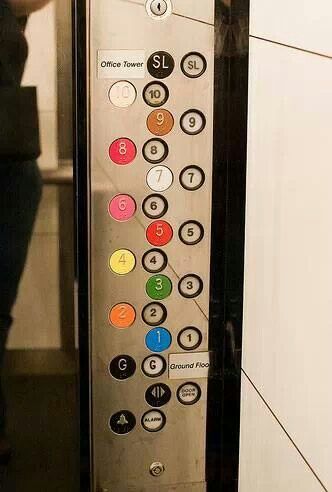
6. These people always see something positive
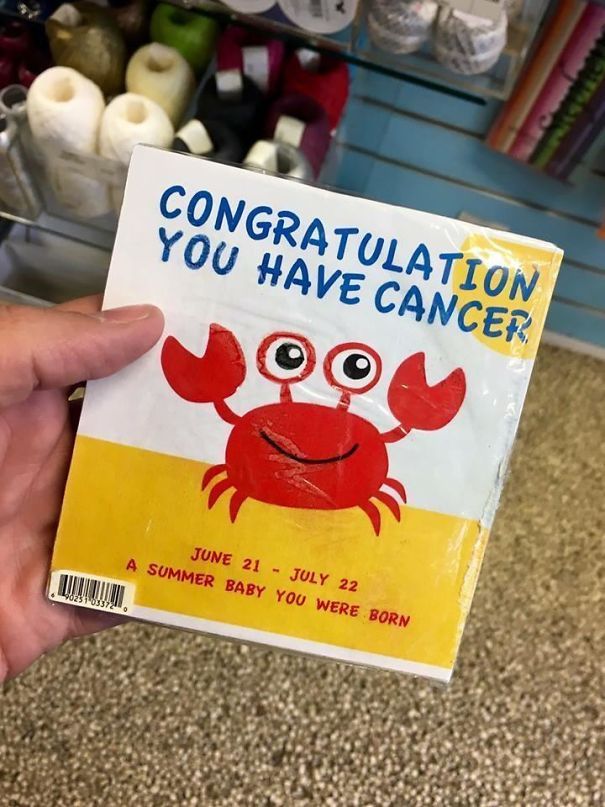
7. A door into the unknown

8. In case of fire, please… find somewhere else to put it out.

9. The urban rollercoaster, no seat belts available.


10. The serial killer’s playground


11. We’re on the escalator to nowhere… come on and bump.

12. Architectural masterpiece


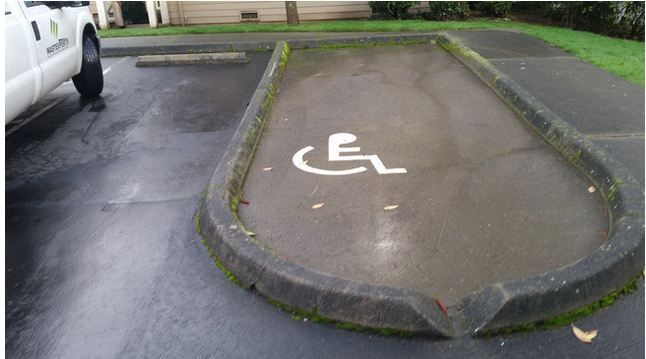
13. All you need now is an all-terrain wheelchair…
14. Hey Marty Mcfly is this your house?


15. See no evil!

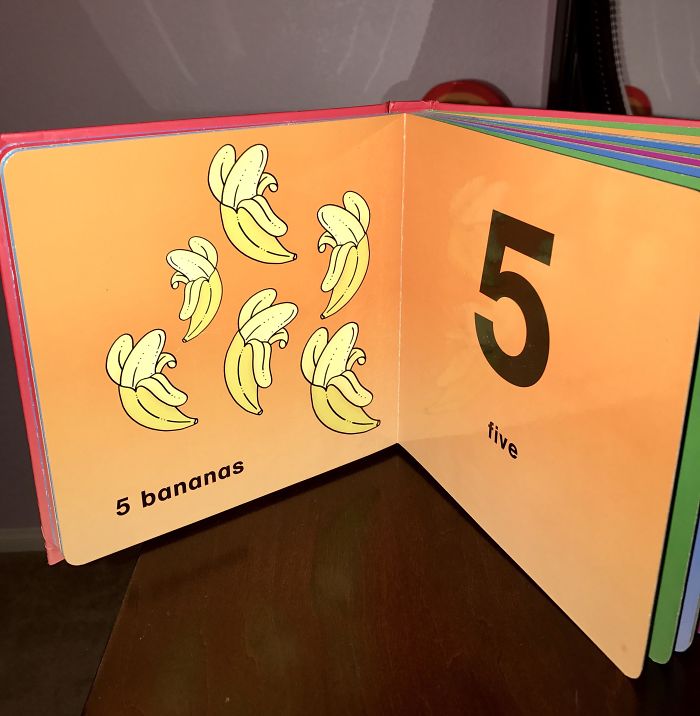
16. How about proofreading it first?
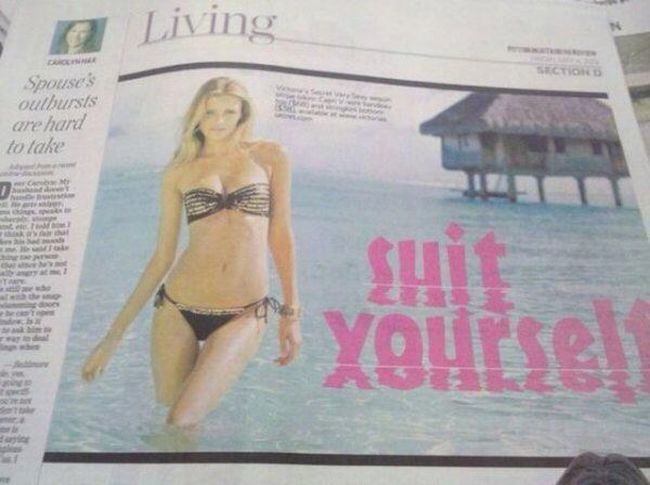
17. You probably don’t want to do this…
18. Will it be fried eggs or a trip to hospital tonight?

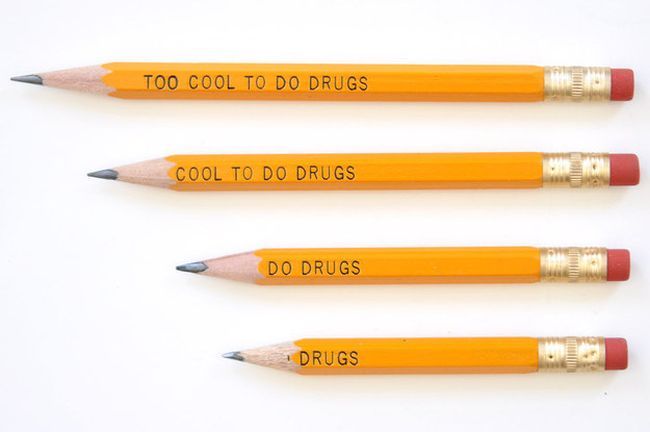
19. The order in which you put the words really matters.
20. This bird is twice as hungry as other birds…

21. The family that should have bought better life insurance?

22. The new look for alien life forms this spring!
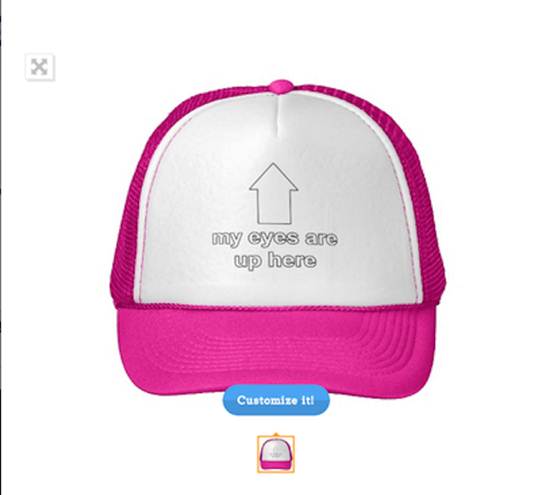
23. Big Brother is watching you!

24. And they say pride goes before a fall…

25. East is the new South!

26. Kevin from “Home Alone”: We don’t need spoilers like this…

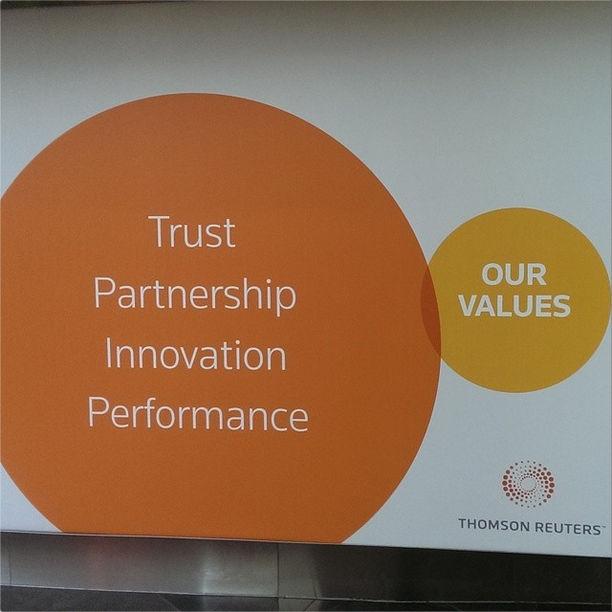
27. Venn Diagram: Has there ever been such a clear case of doing it wrong?
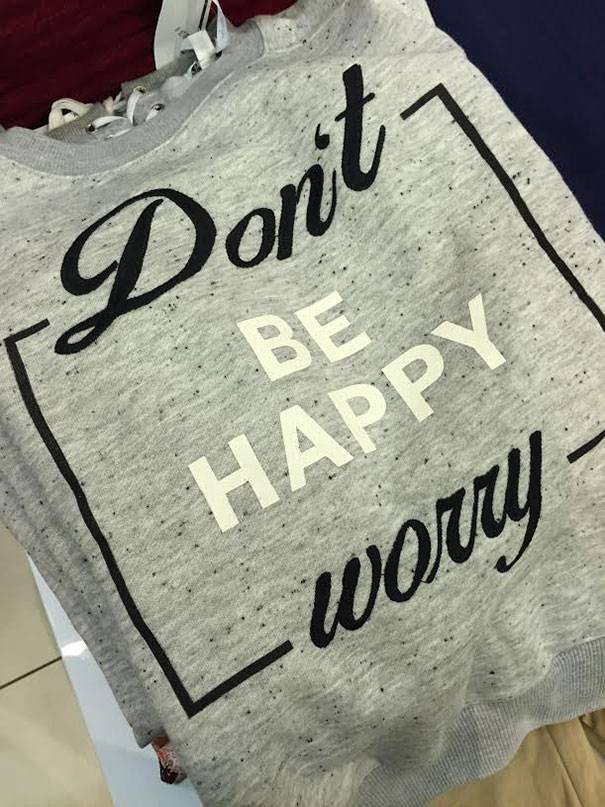
28. We know a few parents who might adopt this as their slogan
29. IKEA usability case.

30. Take a step into the unknown.

39% of Today's Skills Will Change by 2030

The World Economic Forum expects 39% of today's skills to be transformed or become outdated by 2030.

The good news is that jobs in UX / UI design and AI are among the fastest-growing professions globally.

Build Skills That Keep You Relevant

Privacy Settings

By using this site, you accept our Cookie Policy and Terms of Use.
Customize
Accept all

Be the One Who Inspires

People remember who shares great ideas.

Share on:

Academic Credibility — On Autopilot

Don't waste time googling citation formats. Just copy, paste and look legit in seconds.